
Eight services · one subject
To the Moon, by way of the Archive
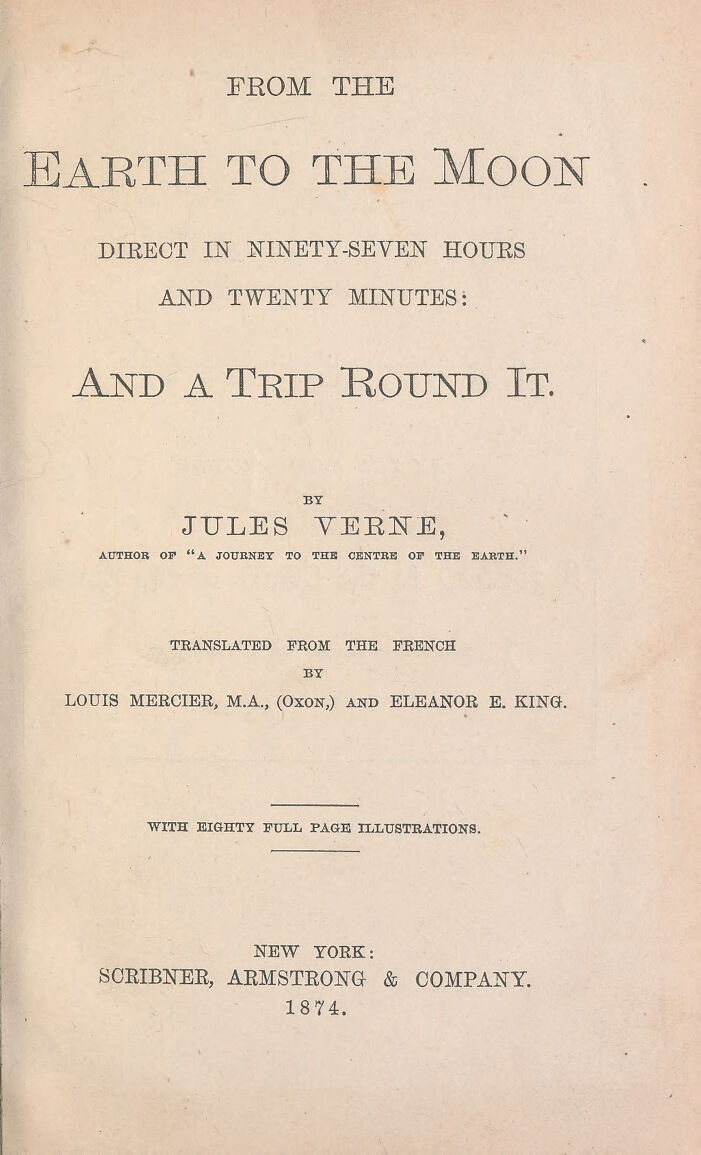
An 1874 Verne, full-text search across books, an Apollo 11 photograph, NASA subtitles, thirty years of nasa.gov and the 2024 eclipse on TV.
unofficial · an MCP server · version 0.1.0
Ask in plain words. Your assistant searches millions of books, newspapers, films, records, TV news and thirty years of the web, reads what it finds, and shows you where each answer came from.
coming soon The first public release isn't out yet; then it installs with one line. What setup will look like: Get started.
What it is. A small program your AI client starts on your computer. It gives the assistant 39 tools for archive.org's public services, across 8 services: items and full text, the Wayback Machine, page images, TV news, Open Library and more.
Why it matters. The Archive holds primary sources most assistants can't reach. With these tools the assistant quotes the scan, the capture or the caption itself, with a link, so you can check every step.
Safe by default. It only reads unless you start it in write mode, and every change is previewed first. How it stays safe.
An 1874 Verne, full-text search across books, an Apollo 11 photograph, NASA subtitles, thirty years of nasa.gov and the 2024 eclipse on TV.
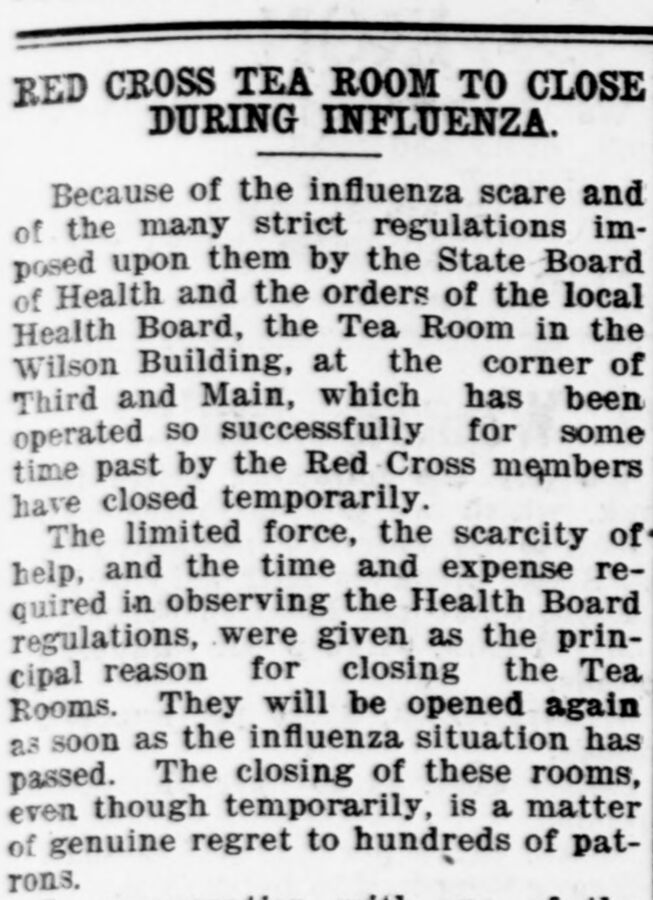
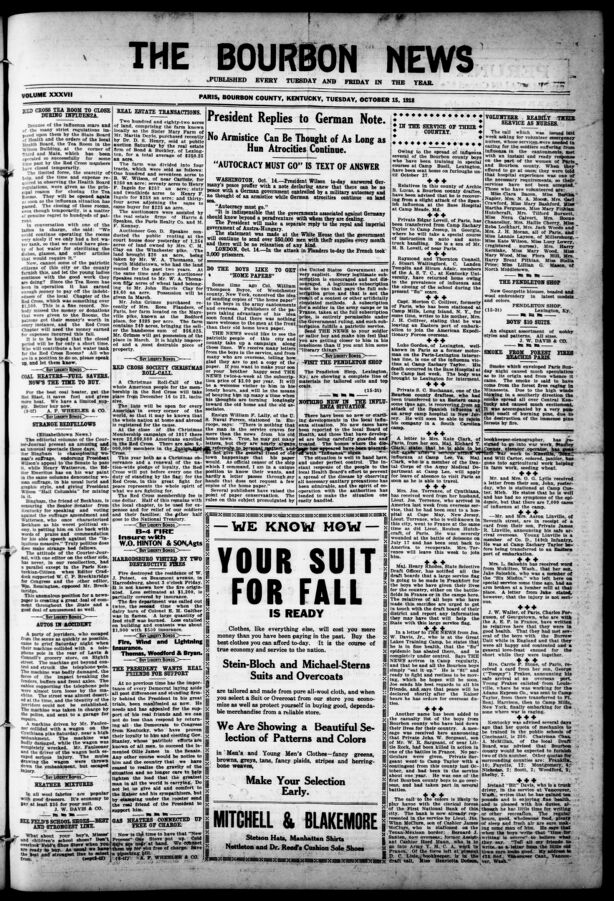
273 of 646 issues mention influenza; the week of 21 Oct 1918 peaks at 79%.
2,573 days of captures, a diff of the April 2009 announcement, and the last day: 26 October 2009.
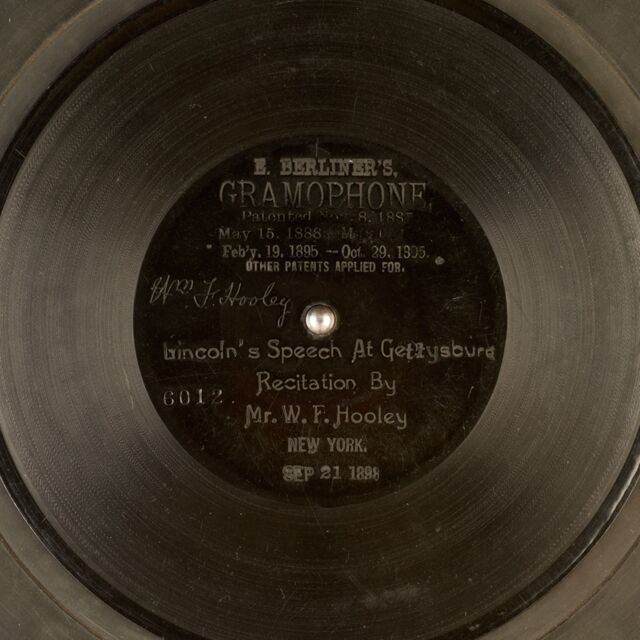
203 of 265 printed words match the machine's transcript of an 1898 recitation.
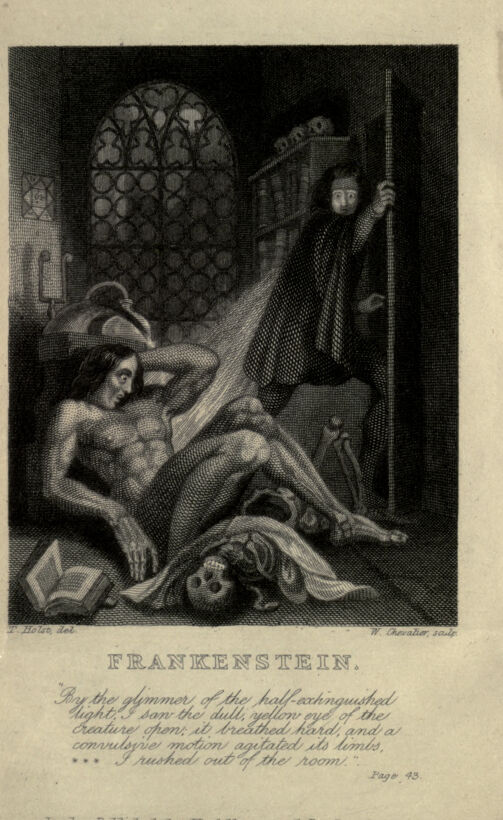
One ISBN, 2,187 editions, and the 1831 scan anyone can read, word box by word box.
345 TV programs on 21 channels, 55 on the busiest day, and the launch call in the captions.
10,468 items, nearly all films, summed up in two requests; at least 211.1 M downloads, and Duck and Cover line by line.